
From a tense bride stuck behind a locked door to the barbarity and jollity of a logging camp … these are some of best short stories I read in the second half of 2026.
‘The Wind’ by Lauren Groff
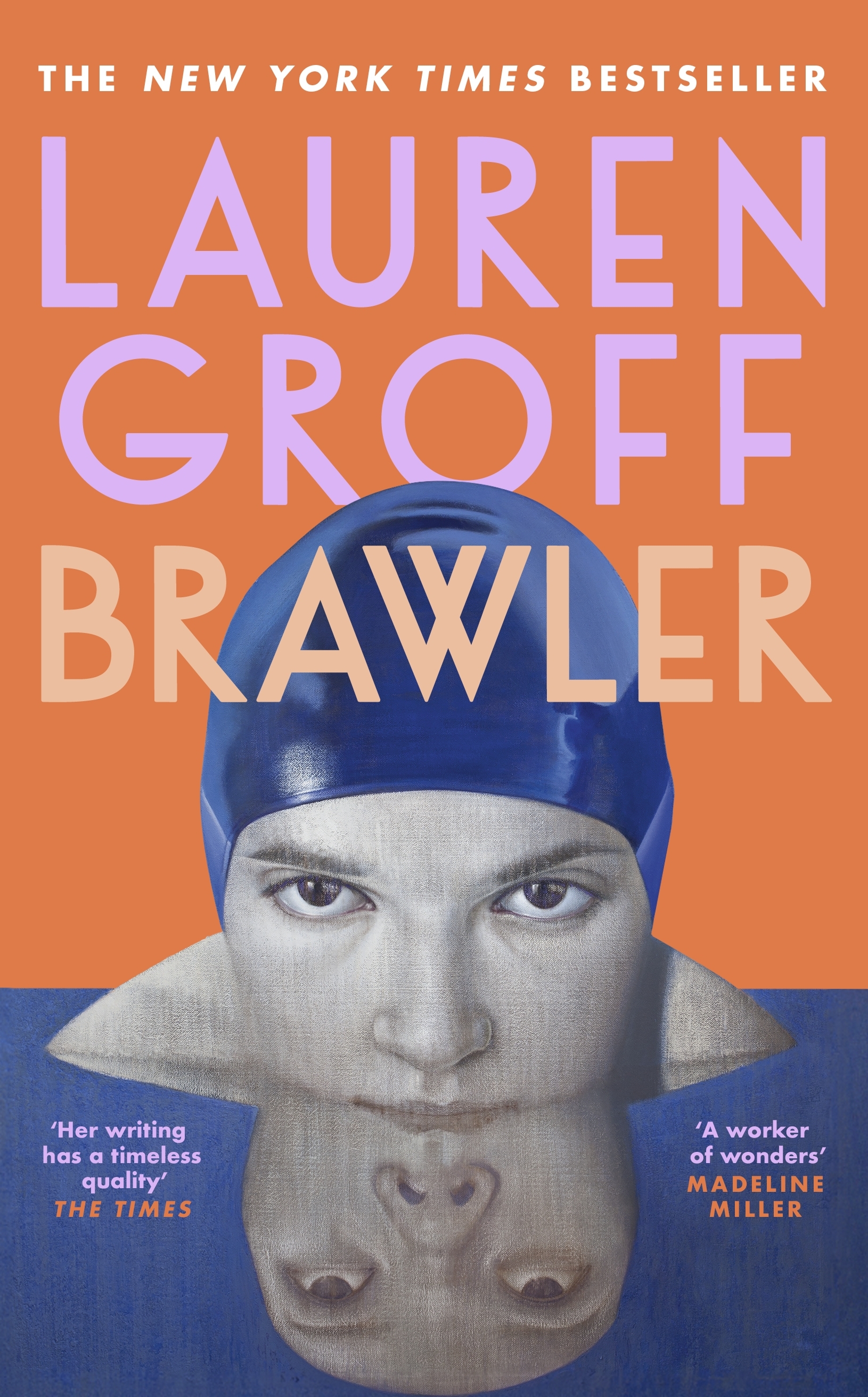 Lauren Groff is a superb proponent of the short story and her latest collection, Brawler, proves (again) her poise and primacy. As a Times Literary Supplement reviewer writes, ‘Most of Groff’s protagonists [in Brawler] are women or children, but their lives are habitually shaped by the whims of men. For all their suggestions of different worlds, these stories explore the menace and mundanity of this one.’
Groff brings her sharp eye and her deep insights to bear across the whole collection. Several standout stories for me were ‘To Sunland’, in which a teenage girl takes responsibility for her disabled brother but is plagued by predators; ‘Between the Shadow and the Soul’ where a woman’s long relationship to her husband shifts precariously as she enters retirement; and ‘Brawler’ in which a championship diver is unable to save her mother who has faded to a wisp (‘she was a skin bag with chalk in it, far too light to be human’) because she’s convinced everything’s toxic and germs are invading her.
‘The Wind’, though, was my favourite – and there’s quite a chill to it. My heart was in my mouth as I followed the journey of a mother and her children on the run from an abusive husband and the lifelong impact of their flight was revealed. The story’s end was so devastating I gasped. Here’s a quote …
Much later, she would tell me the story of this day at those times when it seemed as if her limbs were too heavy to move and she stood staring into the refrigerator for long spells unable to decide what to make for dinner. Or when the sun would cycle into one window and out the other and she would sit on her bed unable to do anything other than breathe. Then I would sit quietly beside her, and she would tell the story the same way every time, as if ripping out something that had worked its roots deep inside her.
Lauren Groff is a three-time National Book Award finalist and the New York Times bestselling author of five novels and the celebrated short story collections Delicate Edible Birds and Florida. She has won the Story Prize and the Joyce Carol Oates Prize. In 2024 she was named one of the ‘TIME 100 most influential people’. Her work has been translated into thirty-six languages. She lives in Gainesville, Florida, where she and her husband run an independent bookstore, The Lynx.
‘Reservations: A Love Story’ by Peter Taylor
 Anne Tyler described Peter Taylor as ‘the undisputed master of the short story form’. From the 1950s to the 1980s his short fiction appeared regularly in The New Yorker – taking readers on circuitously deep journeys into the human psyche and exposing class conflict in America’s South. In ‘Reservations’ a just-married couple escape from their wedding reception at a country club to the hotel where they will spend their wedding night. Soon after they arrive, the bathroom door gets stuck and separates them, with the bride trapped behind the locked door. The fact Franny and Miles can’t see each other frees them to unleash their suspicions and beliefs about each other’s shortcomings and duplicity. Miraculously the venting seems to clear the air and sets an unusual but workable tone for the marriage. ‘Silently they were toasting their own bliss and happiness, confident that it would never again be shadowed by the irrelevances of the different circumstances of their upbringings or by the possibly impure and selfish motives that had helped to bring them together.’ It’s a masterful story and excruciating as we follow their caustic barbs and criticisms and see their shallowness. Here’s a quote …
‘What kind of man are you, Miles? Take the door down yourself. You’ve been living in this hotel so long you depend on them for everything. You seem to think the world’s just one big hotel and that you call in the maintenance crew for any and every thing.’
‘OK, Franny, I’ll try,’ Miles said amiably. ‘But have you ever tried taking down a locked door?’
‘Why did you bring me to this dump?’ Franny wailed.
‘And why did you have to lock the door,’ he countered.
Peter Taylor (1917–1994) was an American short-story writer, novelist, and playwright known for his portraits of Tennessee gentry caught in a changing society. His collection The Old Forest and Other Stories (1985) won the PEN/Faulkner Award. Taylor also wrote three novels, including A Summons to Memphis in 1986, for which he won the 1987 Pulitzer Prize for Fiction, and In the Tennessee Country in 1994. Taylor taught literature and writing at Kenyon College and at the University of Virginia. ‘Reservations: A Love Story’ appears in Peter Taylor: Complete Stories 1960–1992 by Peter Taylor.
‘Stag Dance’ by Torrey Peters
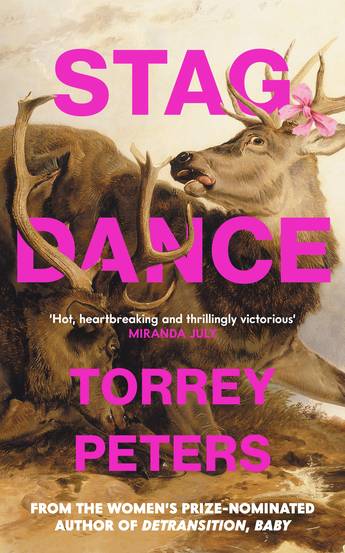 ‘Stag Dance’ is a novella-length story and the titular offering in Torrey Peters’ Stag Dance: A Novel and Stories – so go in for the long haul and ready for some rarified language and it will reward you. ‘Axemen parading like a flock of Sodomites’ is one logger’s take on the dance – planned by the boss of the 19th-century illegal logging camp – that gets lumberjacks to choose whether they will be a woman on dance night and ‘courted’ by the men in the leadup to the festivities. In fact, there’s a lovely psychological ‘dance’ before the formal event that involves the ugliest logger (the protagonist Bunyan/Babe) and the most winsome (Lisen). A story by the ABC in July 2025 says ‘Stag Dance’ was inspired by Peters’ own retreat to a long-abandoned log cabin in Vermont after the success of Detransition, Baby. ‘Really, it’s a shack,’ she said. ‘[In an area that] was previously logged, and it’s been about 100 years so the forest has grown up – but I thought about people who were living in that forest without even the mild amenities that I had.’ Here’s a quote …
Two hours later, a chill rose off the long shadows and we had readied ourselves for the dance. I had my eyelashes darkened. He pricked his finger with the tip of a pocket-blade, and on the newly exposed globes of my cheeks, we made circles of rouge. I’d never shared much time with any other person. Never been so open and sharing and naked in the intentions of our bodily preparations. Not brother, not sister, not good-time girls, nor fellow jacks.
And another quote for good measure …
I doused my saw in kerosene so it’d slide smooth. Then I sighted the fall and made my marks on the trunk. When my fiddle blade bit bark, I made macaroni. Huffs of effort froze on my nose hairs. Pine curls flew. Snow fell from the topmost branches. The air smelled Christmas.
Torrey Peters is the author of the novel Detransition, Baby, which won the 2021 PEN/Hemingway award for debut fiction and was named a Best Book of the Century by the New York Times. Her second book, Stag Dance, was published in March 2025. Torrey is an amateur sauna builder, rides a pink motorcycle, and splits her time between Brooklyn and Santa Marta, Colombia.
‘Audition’ by Yasmin Adele Majeed
 ‘In much of my work, I am interested in the debts that immigrant daughters are born into,’ writes author Yasmin Adele Majeed, ‘and their creative attempts to pay them off.’ It is this focus that has drawn me to Majeed’s stories and their deep dives into daughterly realms. ‘Audition’ lives in this emotional underworld – where a mother and a daughter are so intertwined we might struggle to tell the difference. Where physical separation may be premature but might also be the catalyst for a daughter to forge her own path. Where the daughter comments of her mother’s departure that, ‘Even as a child, I could read the look on her face clearly. She did not want to come back.’
At an audition, our narrator reveals to the interviewer that it is her mother’s failed acting career, love of television and of great performances that has drawn to her to audition. She notes her favourite moment in auditions when ‘a kind of turn’ happens as ‘the actor moves between their self and their role’. The script she had written for the audition begins with Childhood … Here are some quotes …
And then, I watched her turn – the slow unknotting of her shoulders, the creep of her attention from the room to some other place, some place inside her that I could not see. Every move methodical, made with a care I hadn’t witnessed before.
She was no longer my mother. She was me. …
We had the same thick, dark hair, the same smile. Then she moved and was herself again: that woman who could be no one other than my mother. When I touched the screen, I could feel the soft warmth of its surface.
Yasmin Adele Majeed is a New-York-based author whose debut novel, Side Streams, is forthcoming from Little, Brown. Her fiction appears in Narrative, Guernica, Joyland, American Short Fiction, Best Debut Short Stories, and The Best American Short Stories. A graduate of the Iowa Writers’ Workshop, she has received fellowships and support from Tin House, Kundiman, Kweli, the Periplus Collective, the Virginia Centre for the Creative Arts, and the Kimmel Harding Nelson Centre.
‘The Address’ by Margo Minco
 ‘The Address’ by Margo Minco inspired the 2025 Booker Prize-winning novel The Safekeep by Yael Van Der Wouden. It is a taut, devastating story that explores loss, memory, and the impact of war on ordinary lives. The story follows a daughter who returns to reclaim her mother’s belongings that were left with a non-Jewish acquaintance for safekeeping during the German occupation of the Netherlands. The narrator returns to her hometown post war to reclaim her mother’s possessions only to find they are being used without care. After seeing them in this state, she realises these objects can’t return her family or her past life to her. Here’s a quote …
The address was correct. But now I didn’t want to remember it any more. I wouldn’t go back there because the objects that are linked in your memory with the familiar life of former times instantly lose their value when, severed from them, you see them again in strange surroundings. And what should I have done with them in a small rented room where the shreds of black-out paper still hung along the windows and no more than a handful of cutlery fitted in the narrow table drawer?’
Marga Minco (the writing name of Sara Minco) was born in a Jewish family in 1920 and died in 2023. In 1943 her parents, brother and sister were deported and died in a concentration camp in Germany. During the rest of the war, she lived in hiding and ultimately was the only survivor of the family. ‘The Address’ is heavily inspired by Minco’s own experiences.
‘You (Streetcar at Night)’ by Dorian McNamara
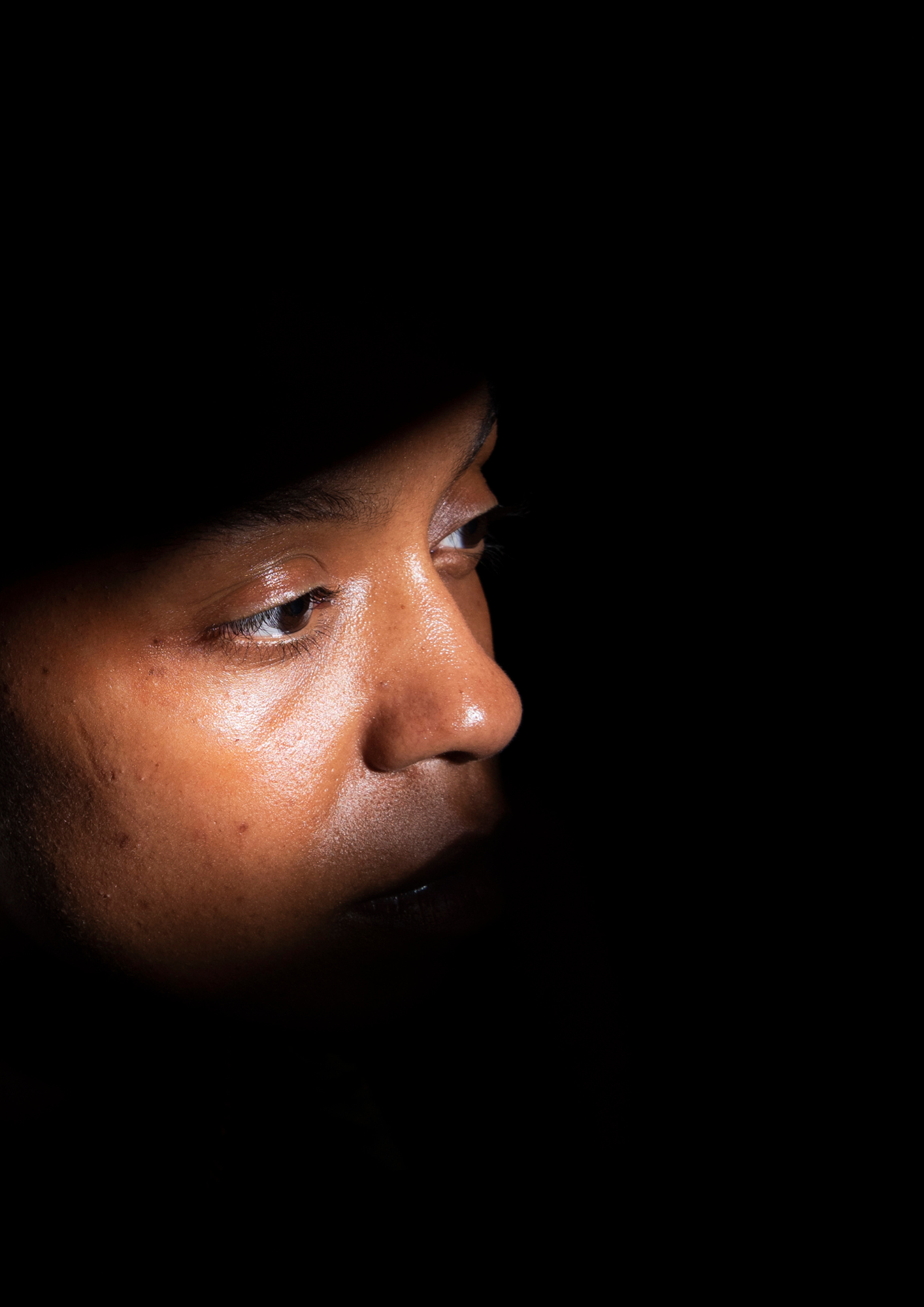 The Halifax-based writer won the 2025 CBC Short Story Prize for this story. It explores a trans man’s reflections on his first relationship and transition while riding a Toronto streetcar late at night. The story explores themes of memory, vulnerability, and the ‘before and after’ of transition. Here’s a quote …
You are kissing my reflection and I want to press you closer until your lips break the glass. I want your mouth to fill with my blood. I want you to swallow it. You make a small noise and open your mouth and I let the blood in my ears drown out my thoughts.
Dorian McNamara is a queer transgender writer currently living in Halifax. Originally from Toronto, he graduated with a BA in psychology from Dalhousie University. He is currently working on his first novel as well as publishing the creative newsletter Dear You.
‘Bride’ by Deb Olin Unferth
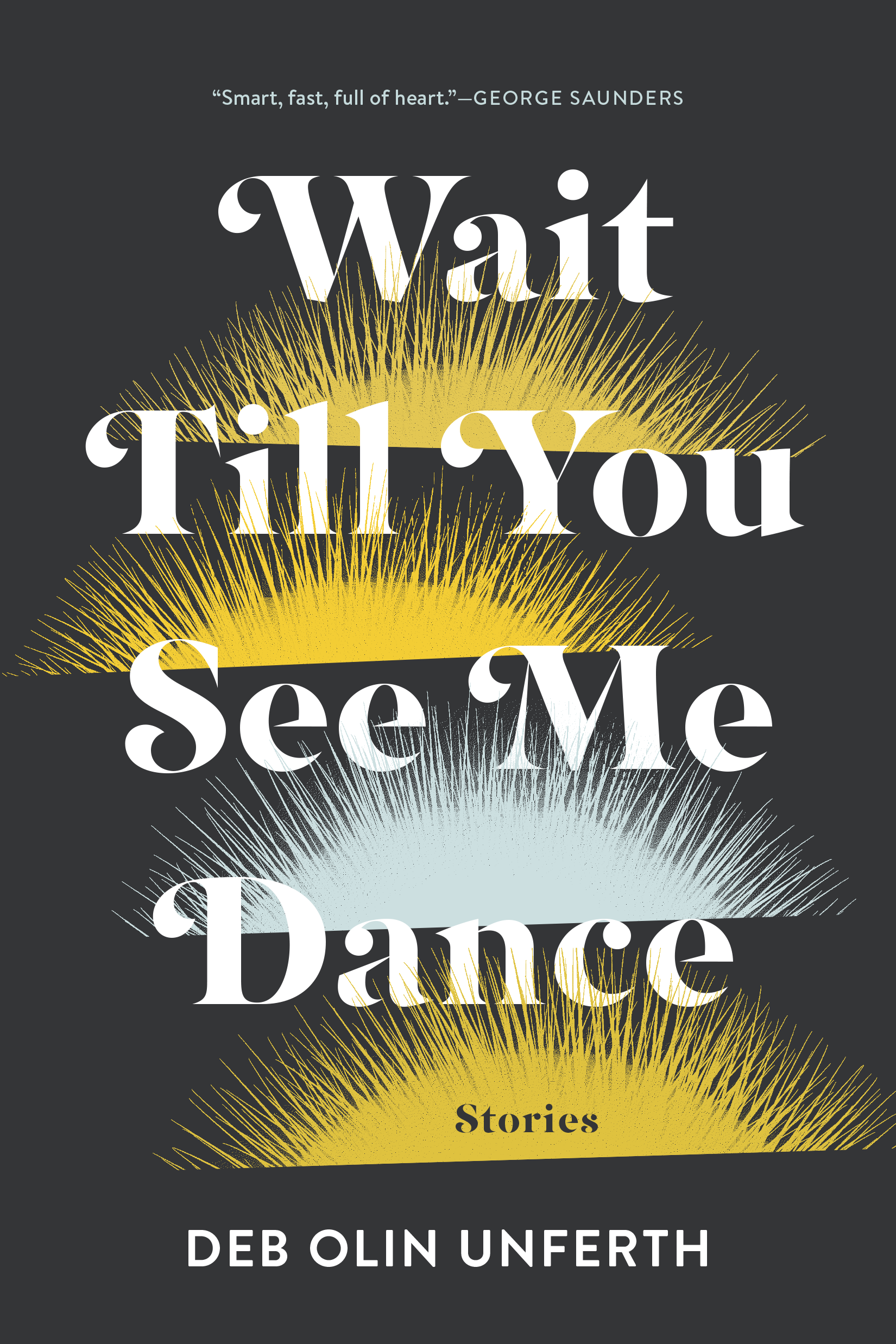 It was hard to pick just one story from Deb Olin Unferth’s rollicking and inventive collection Wait Till You See Me Dance: Stories. I strongly considered choosing ‘Voltaire Night’, in which students compete to tell a story about the worst thing that ever happened to them, and ‘The First Full Thought of Her Life’, which offers a close-up view of a shooter as he gets in position while a young girl climbs a sand dune. I finally settled on ‘Bride’ for its swerving narrative, wonderful imagery and clear-eyed, empathetic portrayal of the deluded protagonist Davids. A sad sack on a mission, Davids is on his way to wrest the love of his life from the family she has happily forged since she broke up with him. He inadvertently becomes entangled with a bride who appears to be none too sure she should have married. Davids is tasked with driving the bride to the reception and once there also (unexpectedly) causes the newlyweds to break up. It’s a slightly melancholic story told with a lot of heart and insight. Here’s a quote …
It was the bride, coming over the grass toward him, her dress trailing. Her face rubbed and pale. And he saw that she could be the answer. He could devote himself to helping her, to getting her off the drink, back in school. He would change her. He could force her, keep her in a cubby if he had to, just let her try to get away. And after a few years she would fall in love with him – not impossible. They would get married and move out to the suburbs, buy a house right next door to this very house. And they would have their own babies and name them the same names as their babies and he would take pictures at Christmas of his lovely wife and tots and put them in the mailbox of the woman he (formerly) loved, who in this dream had shrunk down and was shuffling in the corner of a room.
Deb Olin Unferth is the author of seven books, including the novels Earth 7 (June 2026), Barn 8 and Vacation, the memoir Revolution, two story collections Minor Robberies and Wait Till You See Me Dance: Stories, and the graphic novel I, Parrot. Her fiction and essays have appeared in over 50 magazines and journals. She is a professor at the University of Texas at Austin and directs the Pen City Writers, a prison creative-writing program.
‘Five Bridges’ by Colm Tóibín
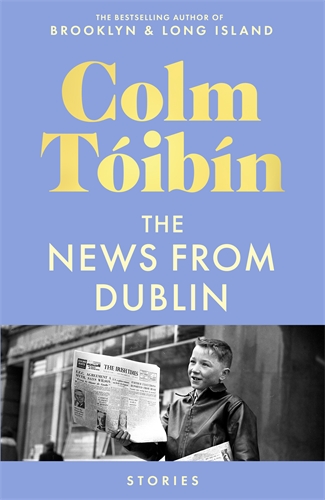 Paul is an Irish man who has been living and working in the US for more than 30 years on a tourist visa. Soon he will have to leave the US and go back to Ireland before he is flushed out for being an illegal immigrant (as America has become a far less inviting country to live in). Some years before, Paul had attended weekly meetings of a group called Single Irish Men in the Bay Area (SIMBA) of San Francisco, and Sean F. Sinnott, its coordinator, had helped him reach out to his ex-girlfriend and mother of his child (the child he had never met). Paul’s correspondence worked. He forms a strong bond with his daughter Geraldine, and they love going walking together. As a parting gift, Geraldine wants her father to join her, her mother Sandra and stepfather Stan on a walk and overnight stay in a hostel at the trail’s peak. Despite the slight awkwardness with Sandra and Stan, Paul is happy enough on the walk, and relishes being with his daughter. He shares a room with her and, as he watches her sleep, he ponders having to leave her and San Francisco behind when he returns to Ireland. He knows the US will never let him back in once he leaves. Here’s a quote …
When Geraldine made a soft, sighing sound in her sleep, he went to turn off the lamp in case it was disturbing her. He stood and looked at her. How perfect she was now, he thought, as he had when she had walked ahead of him on the trail.
He would probably never see her again in America; he would miss her life here. But she would visit him in Ireland – he was sure she would want to do that – and perhaps she would make visits in years to come when she had a real life of her own, her own children, a husband even.
Colm Tóibín is the author of several novels, including The Master, Brooklyn and its sequel Long Island, and The Magician, and three collections of stories. ‘Five Bridges’ is from his 2026 collection, The News from Dublin. He has been three times shortlisted for the Booker Prize. In 2021, he was awarded the David Cohen Prize for Literature. Tóibín was appointed the Laureate for Irish Fiction 2022-2024.
‘All My Friends’ by Marie Ndiaye
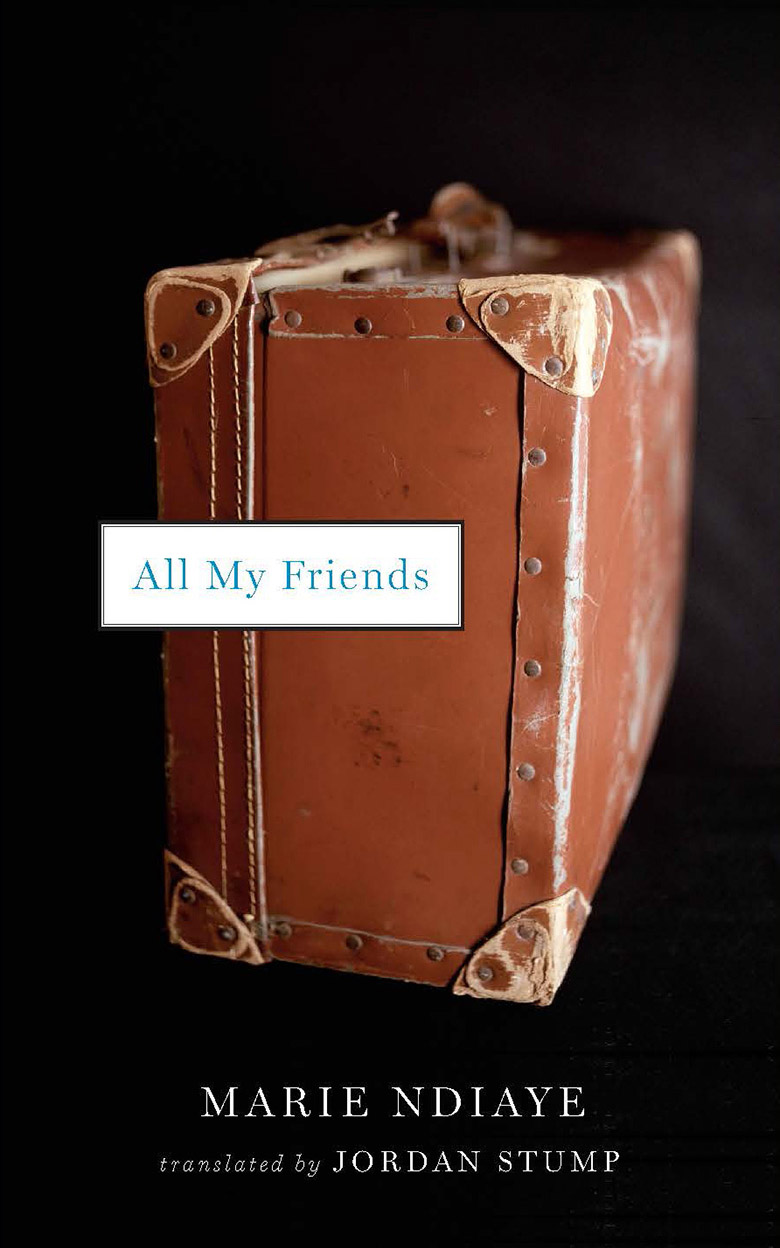 The ending of ‘All My Friends’ sent a chill up my spine, and I seriously doubt that a more tragic dénouement to this weird and wonderful story could have been orchestrated. The narrator is an older schoolteacher who has fallen for a former student (Severine) who is now his housekeeper. Severine is disparaging, haughty, stern and married to ‘the Arab’ whom our narrator believes is also a former student who now works in the post office. The narrator’s wife and children have left him due to some undisclosed misdeeds and they studiously avoid him at school and in the street. His house also seems to be plotting against him. Werner, a former protégé, is besotted with Severine and there are some tense and spiteful moments between the two men when they are talking about her. Dogged in his pursuit of Severine, the narrator is barrelling further into breakdown, and the story gathers momentum as it reveals that what is thought to be real about the self and others may well be murky and delusional. Here’s a quote …
Severine snickers. Her discomfort and melancholy undulate heavily between us.
She starts up the black staircase, empty-handed, as if, rather than clean, she was planning to lie down for a nap in my room. Then, reaching the top, she leans over the banister, and I think she’s falling, throwing herself over. But she merely repeats that there’s no way I could have met her husband before, and I’m obviously confusing him with someone else. And I think I see her detach something from her neck and drop it my way, and I think I can see a youthful human skin falling over my feet, a skin heavy with rancour and bitterness.
Marie NDiaye was born in Pithiviers, France. She is the author of Rosie Carpe, winner of the Prix Femina, and of Three Strong Women, winner of the Prix Goncourt. She is also the recipient of the Gold Medal in the Arts from the Kennedy Center International Committee on the Arts. She lives in Paris. She has published 13 novels, several story collections (including All My Friends) and seven plays.
‘The Rabbit’s Foot’ by Sigrid Nunez
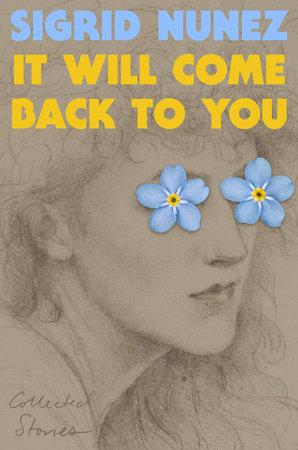 To her children, Carmine had spent ‘the prime of her life as a servant to the rich – first full-time in the hotel, then, after becoming a wife and mother, part-time in private homes – work for which she had been poorly compensated and mostly treated not just as inferior but invisible.’ But Carmine saw it differently. She’d had a degree of autonomy and worked largely alone without scrutiny. Rather than feeling oppressed by her working conditions, the opulence of the hotel ‘lifted her up’. Her brush with an English lord (whose outlandish behaviour in the luxury hotel she worked in was legendary) provided a secret and arousing memory that stayed with her across the decades. It is her granddaughter, Celina, who enjoys hearing Carmine reminisce about her time at the hotel and the lord, and offers her a different slant on her abandonment as a baby and the rabbit’s foot her mother left with but was later lost by her disinterested adoptive parents. Here’s a quote …
If the trouble between her daughter and granddaughter saddened Carmine, she could not regret that it fostered a closer bond between Celina and herself. She was pleased that rather than the aggrieved feelings her past triggered in her children, it was a source of pride for her granddaughter. Against terrible odds, Carmine had fought and survived. She was not a victim, she was a hero. Celina said this so often, and with such ardent conviction, it made Carmine both laugh and cry.
Sigrid Nunez is acclaimed for her novels. In 2018, she won the National Book Award for Fiction for The Friend. ‘The Rabbit’s Foot’ is published in Nunez’s first collection of short stories, It Will Come Back to You.
‘The Sanitorium under the Hourglass’ by Bruno Schultz
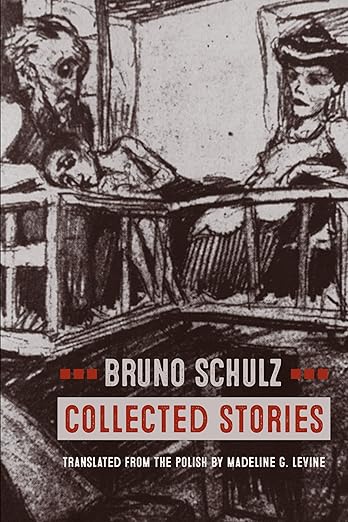 This is a thrillingly surreal short story with eerie undercurrents and unnerving descriptions. When Józef arrives at the remote sanatorium managed by Dr Gotard, he finds the institution offers the patients ‘borrowed time’ through a second chance at a life. Józef’s father, who had died (‘from the perspective of your fatherland’), is alive again, but is a wraithlike version of himself wandering the corridors in limbo (even, at one point, morphing into ‘a monstrous, hairy, steel blue horsefly’).
As Józef searches through the shadowy corridors of a sanitorium to find, lose and rediscover his father, and at times visits the town centre (which is equally slippery and set-like), we see clearly why Schulz is often compared to Proust and Kafka. The story explores the stages of mourning, questions notions of reality, and reveals the inner workings of memory and consciousness.
As Joe Moshenska, professor of English literature at Oxford University writes, many of Schultz’s stories are set in a phantasmagoric version of the city of Drohobycz (now in western Ukraine), where Schulz was born and died, and largely in and around the cloth shop on the market square that his parents owned, but in a version of these places where time and space have become molten and malleable.‘No modern writer testifies more powerfully, on the one hand, to the imaginative stimulus of a particular city, and, on the other, to the absurdity of the modern nation state as a unit within which to claim and organise human lives present and past.’ Here’s a quote …
Whenever I walk out of our room it seems to me that someone hastily retreats from outside the door and turns into a side corridor. Or someone is walking in front of me without looking back. It is not a nurse. I know who it is! ‘Mama!’ I cry, my voice trembling with excitement, and Mother turns her face and looks at me for a moment with an imploring smile. Where on earth am I? What is going on here? What trap have I become ensnared in.
And another …
Farewell, Father, farewell, city, which I shall not see again. Ever since that time I have been riding continually riding, I have made my home as it were on the railroad and they tolerate me here, wandering from car to car. The cars, immense as rooms, are full of trash and straw, drafts penetrate right through them on grey, colourless days. My clothing has grown threadbare and tattered. I have been presented with a railroad employee’s shabby uniform. My face is tied up with a dirty rag because of my swollen cheek. I sit on the straw and doze, and when I am hungry, I stand in the corridor in front of the second-class compartments and sing. And people throw coins into the black cap of a railway man with a ripped-off visor.
Bruno Schulz was a Polish-Jewish writer, artist, and art teacher, renowned for his unique narrative style and imaginative prose. Born in Drohobycz (now in Ukraine) in 1892, he was murdered by a Gestapo officer in 1942, which also led to the permanent loss of his final, unfinished masterpiece novel, The Messiah. ‘The Sanitorium under the Hourglass’ is published in Collected Stories an authoritative translation of Schulz’s fictional oeuvre. Schultz’s work has influenced many writers, including Salman Rushdie, Cynthia Ozick, Jonathan Safran Foer, Philip Roth, and Roberto Bolaño.


Recent Comments